What Does "Ahorita" Mean in Mexico? Now, Later or Never
In Mexico, "ahorita" can mean right now, in a while, a moment ago or a polite "no." Here's how to tell which one you're hearing and what to answer.
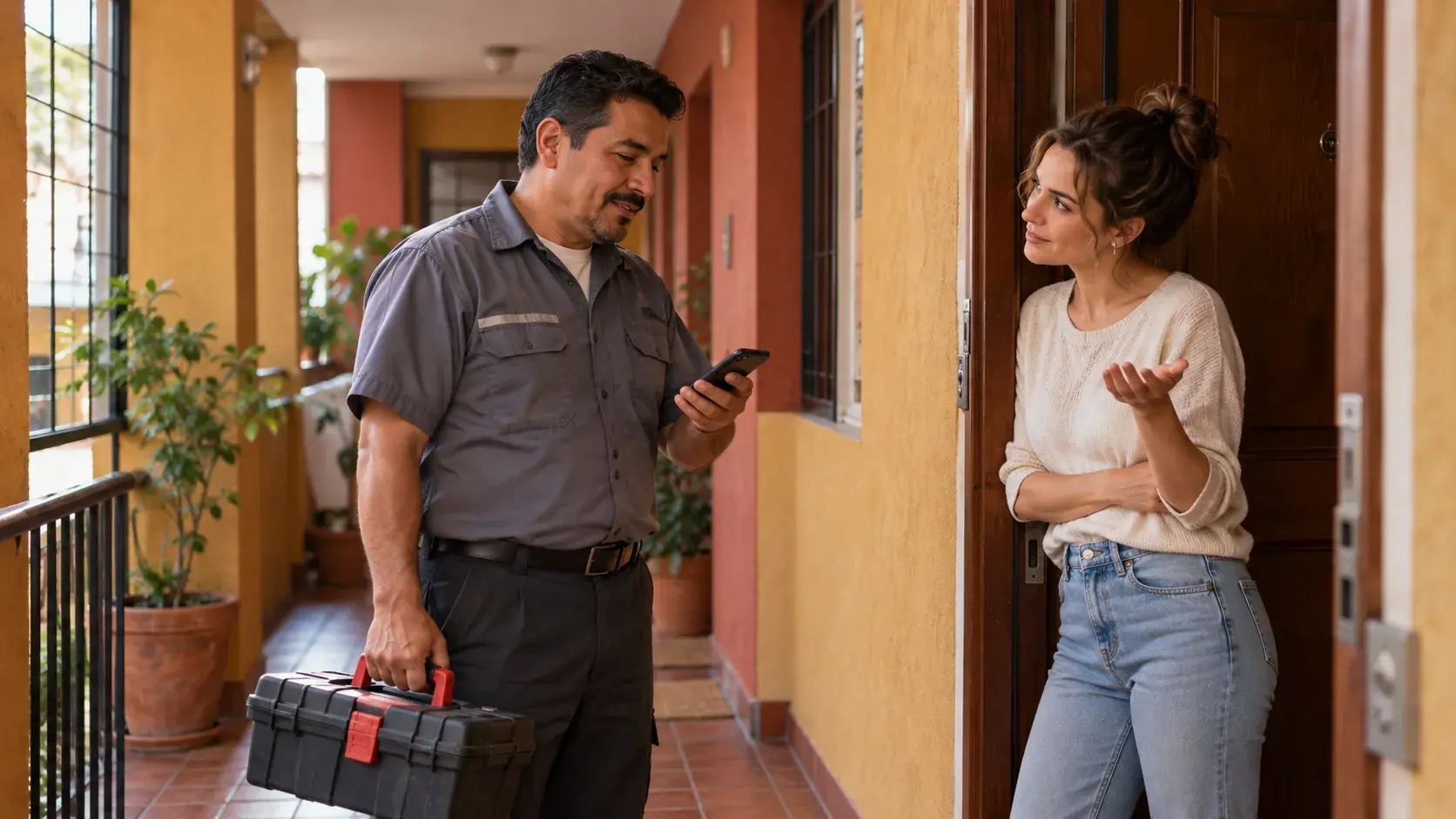
You ask the plumber when he can come, and he says "Ahorita." You wait. An hour later, you're still waiting. Your dictionary said ahorita means "right now," so what happened?
In Mexico, ahorita is one of the most flexible words in daily Spanish. It can mean now, later, a moment ago, or even a polite "no." Once you know how it works, it stops being confusing and starts being useful.
The four meanings of "ahorita"
| Example | Meaning | English |
|---|---|---|
| Ahorita se lo traigo. | Very soon | I'll bring it to you right away. |
| Ahorita vengo. | In a while | I'll be back in a bit. |
| Ahorita te llamó tu mamá. | A moment ago | Your mom called you just now. |
| Ahorita no, gracias. | Polite no | Not right now, thanks. |
1. Right now, or very soon
A waiter who says "Ahorita se lo traigo" usually means it: your drink is on its way. In shops and restaurants, ahorita tends to mean minutes.
2. In a while (maybe much later)
This is the one that confuses visitors. "Ahorita lo arreglo" from a landlord or repairman can mean today, tomorrow or "when I can." Ahorita softens the answer and avoids committing to an exact time.
3. A moment ago
With a verb in the past, ahorita means "just now." "Ahorita pasó el camión" means "The bus just went by." This meaning is clear because of the past tense.
4. A polite "no"
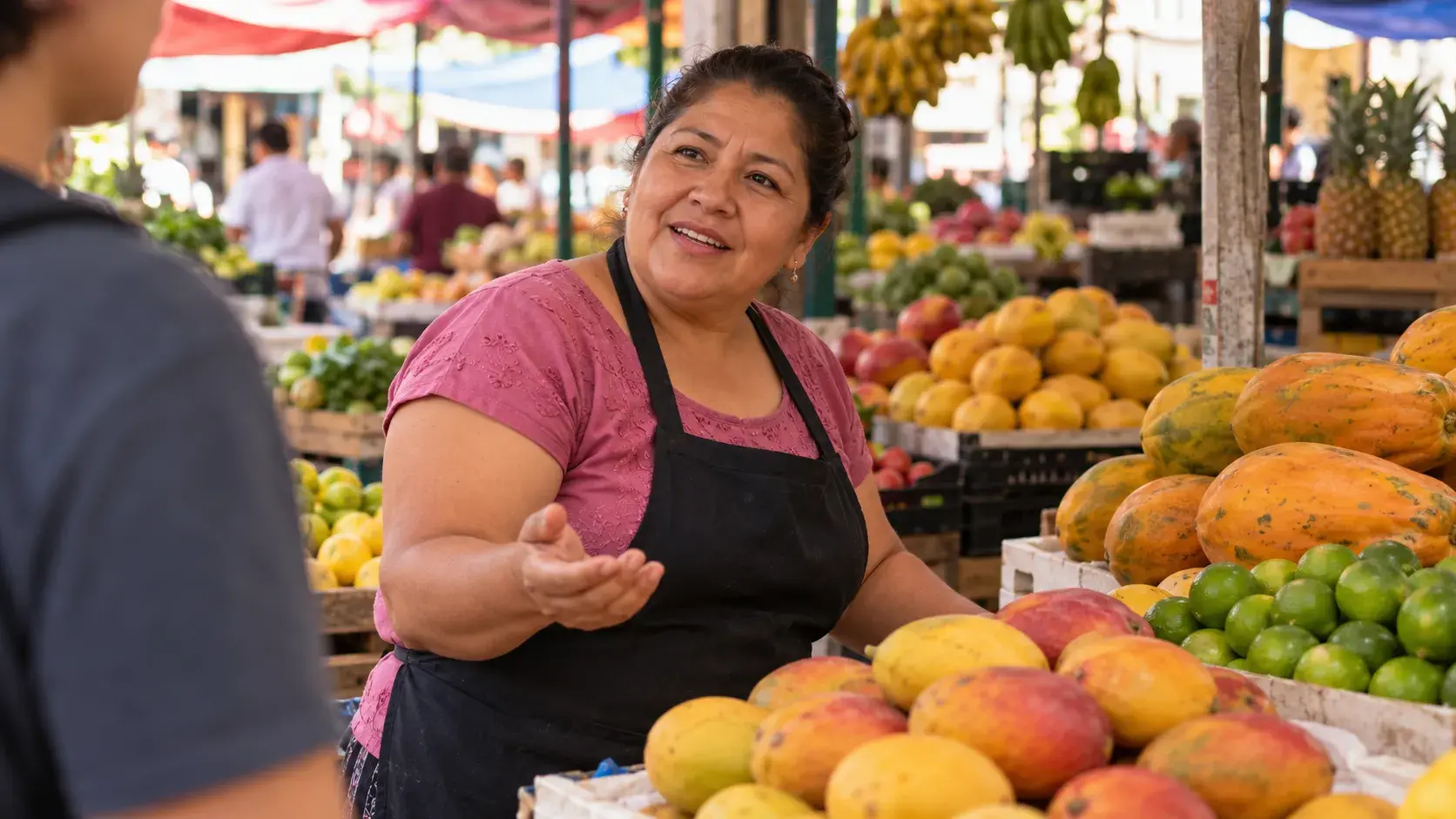
"Ahorita no" is the friendliest way to turn down a street vendor, a waiter offering more food or someone selling something at your door. It sounds softer than a flat "no."
Listen & practice
Ahorita no, gracias.
Not right now, thanks.
AI-generated voice in Mexican Spanish.
How to tell which "ahorita" you're hearing
- Look at the verb. Past tense (llamó, pasó, vi) means "a moment ago."
- Look at the situation. In a restaurant or shop it usually means soon. With repairs, paperwork or favors, it can mean much later.
- Listen for "ahorita mismo." Ahorita mismo or ahora mismo means right now, with no delay.
- Notice "ahoritita." The extra diminutive means "very, very soon."
You'll also hear it pronounced fast as "orita." It's the same word.
How to ask "when exactly?" without sounding rude
When the time matters, ask for something more concrete. Mexicans do this too, and it's not rude.
| Spanish | English | When to use it |
|---|---|---|
| ¿Como a qué hora? | Around what time? | The most natural follow-up |
| ¿Hoy o mañana? | Today or tomorrow? | When you suspect a delay |
| ¿Ahorita ahorita, o al rato? | Right now, or later? | Friendly, a little playful |
| ¿Lo espero o regreso más tarde? | Should I wait or come back later? | At offices and shops |
| Es que lo necesito hoy. | I need it today. | When it's urgent |
Listen & practice
¿Como a qué hora?
Around what time?
AI-generated voice in Mexican Spanish.
The question "¿Ahorita ahorita, o al rato?" is a real thing Mexicans say. Using it shows you understand how the word works, and it usually gets a smile.
Listen & practice
¿Ahorita ahorita, o al rato?
Right now, or later?
AI-generated voice in Mexican Spanish.
Dialogue 1: the repairman
You: Buenas tardes. ¿Cuándo puede venir a revisar la regadera? (Good afternoon. When can you come to check the shower?)
Repairman: Ahorita paso. (I'll come by in a bit.)
You: ¿Como a qué hora? (Around what time?)
Repairman: Como a las cinco. (Around five.)
You: Perfecto, aquí lo espero. (Perfect, I'll wait for you here.)
Asking "¿Como a qué hora?" turned a vague ahorita into a real time. That's the whole trick.
Dialogue 2: the street vendor
Vendor: ¿Unos chicles, güera? ¿Unas pulseras? (Some gum? Some bracelets?)
You: Ahorita no, gracias. (Not right now, thanks.)
Vendor: Ándele, gracias. (Alright, thanks.)
No explanation needed. Ahorita no closes the conversation politely.
Using "ahorita" yourself
You can use it the same way Mexicans do:
- Ahorita vengo. — I'll be right back. Useful when you step away from a table or a line.
- Ahorita lo busco. — I'll look for it in a moment.
- Ahorita no puedo. — I can't right now.
Listen & practice
Ahorita vengo.
I'll be right back.
AI-generated voice in Mexican Spanish.
If you need to be exact, don't use ahorita. Say ahora mismo (right now), en cinco minutos (in five minutes) or hoy en la tarde (this afternoon).
Related time words you'll hear
- Al rato — later, in a while. Usually today, but not always.
- Luego — later, afterwards. "Luego te aviso" means "I'll let you know later."
- En un ratito — in a little while.
- Ahora sí — now for real, as in "ahora sí ya me voy" (now I'm really leaving).
If you're new to Mexican everyday words, read what "mande" means in Mexico, and see what to say when a seller tells you no tengo cambio. Living in Mexico City? Your first 30 days as an expat will include plenty of ahoritas.
Frequently asked questions
What does "ahorita" mean in Mexico?
"Ahorita" is the diminutive of "ahora" (now). In Mexico it can mean right now, in a little while, a moment ago, or, in "ahorita no," a polite "not now." The situation and the verb tense tell you which.
Does "ahorita" mean now or later?
Both. In restaurants and shops it usually means soon. With repairs, favors or paperwork it can mean much later. If the time matters, ask "¿Como a qué hora?" (Around what time?).
Is "ahorita no" rude?
No. "Ahorita no, gracias" is a polite and very common way to turn down vendors and offers in Mexico. It sounds softer than a simple "no."
What's the difference between "ahora" and "ahorita"?
"Ahora" means now. "Ahorita" is softer and less exact: it can mean now, soon or later. For a real "right now," Mexicans say "ahora mismo" or "ahorita mismo."